
Easy Keto Macro Estimator
Consult a doctor before starting any diet. Not medical advice. See Disclaimer and Terms of Service for details.
This practical keto macro estimator helps you build a realistic low-carb eating framework without overly complicated calculations. Instead of chasing perfect numbers, the goal is to estimate workable ranges that support your goals while keeping keto sustainable long term. The most effective keto macro plan is usually the one you can follow consistently in real life — not necessarily the one with the most precise calculations.
Step 1: Estimate Your Daily Calorie Target
After choosing a calorie approach that fits your goals, enter your estimated calorie target into the “Your Keto Targets” section in the worksheet near the end of this tool.
First, choose the goal that best matches your current situation.
Weight Loss — Typically involves eating somewhat fewer calories than your body burns while prioritizing filling proteins, healthy fats, fiber-rich vegetables, and satisfying meals that help reduce cravings and overeating.
Weight Maintenance — Focuses on maintaining energy, appetite control, and stable eating habits while keeping calories roughly balanced with your activity level.
Muscle Support or Active Lifestyle — Usually requires somewhat more calories and protein to support physical activity, strength training, recovery, or maintaining lean muscle mass.
General Daily Calorie Estimates
These are rough starting points only:
Smaller sedentary adults: often 1,400–1,800 calories
Moderately active adults: often 1,800–2,400 calories
Larger or highly active adults: often 2,400–3,000+ calories
Activity level, age, height, muscle mass, medications, hormones, and health conditions can all affect calorie needs.
Step 2: Choose Your Daily Net Carb Target
After selecting your preferred net carb range, enter your chosen target into the “Your Keto Targets” section in the worksheet near the end of this tool.
On keto, net carbs are usually the primary factor that influences ketosis.
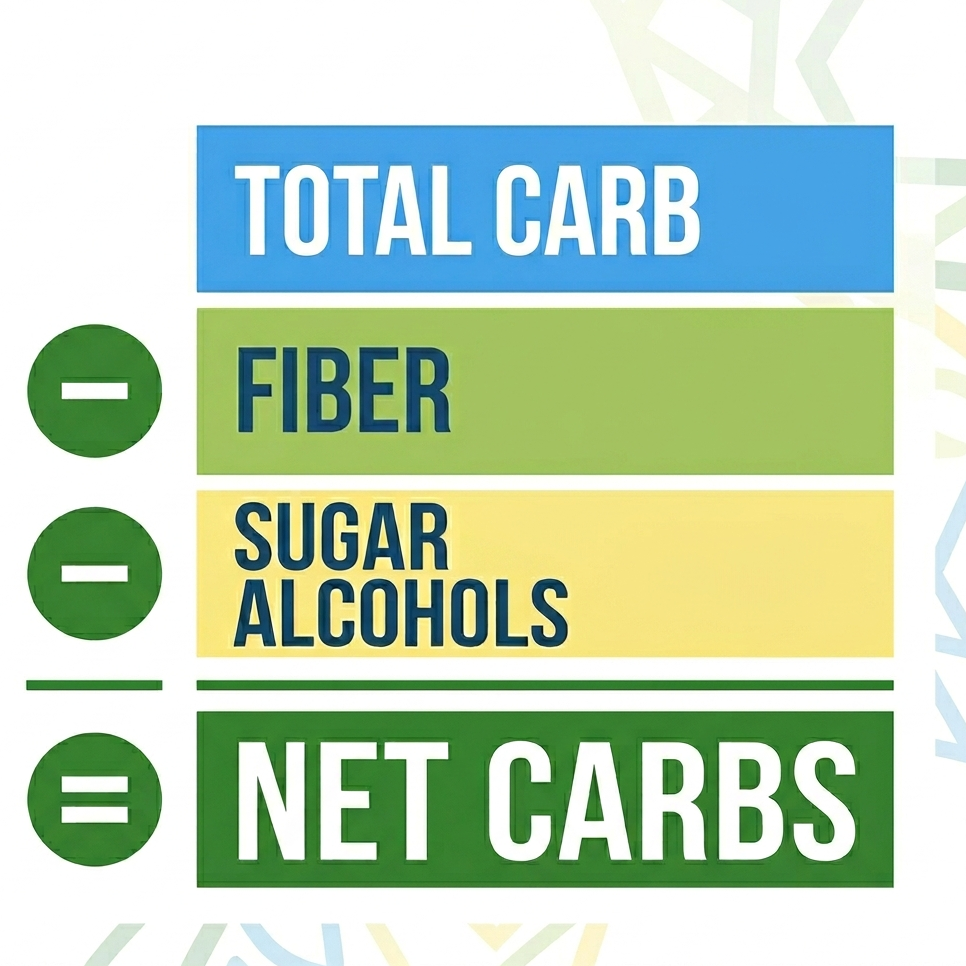
Net Carb Formula:
Net Carbs = Total Carbohydrates − Dietary Fiber − Sugar Alcohols − Other Non-Metabolized Carbohydrates
Examples of other non-metabolized carbohydrates may include:
allulose
tagatose
glycerin/glycerol
Choose a Daily Net Carb Range
☐ 20g Net Carbs — Often chosen by beginners, people trying to enter ketosis more consistently, or those seeking stricter appetite and blood sugar control.
☐ 25–30g Net Carbs — A moderate keto range that may allow slightly more vegetables, nuts, sauces, and flexibility while remaining fairly low carb.
☐ 35–50g Net Carbs — Sometimes used by active individuals, maintenance-focused keto dieters, or people following a more flexible low-carb approach.
Include Plenty of Fiber
Dietary fiber is important on keto because it may help:
improve fullness and satiety
support digestion
support gut health
reduce overeating
make meals feel more satisfying
Many keto-friendly fiber sources also provide vitamins, minerals, antioxidants, and texture variety.
Common Keto Fiber Sources
☐ Leafy greens
☐ Broccoli
☐ Cauliflower
☐ Zucchini
☐ Avocados
☐ Nuts and nut butters
☐ Seeds and seed butters
☐ Chia seeds
☐ Flaxseed
☐ Raspberries and blackberries
Step 3: Estimate Your Daily Protein Target
After estimating your protein target or selecting preferred protein categories, enter your choices into the “Your Keto Targets” section in the worksheet near the end of this tool. Protein helps support:
muscle maintenance
fullness
recovery
metabolism
healthy aging
General Keto Protein Estimation
A common practical range is approximately:
Less active adults: about 0.6–0.8 grams of protein per pound of lean body mass
Moderately active adults: about 0.8–1.0 grams per pound
Highly active or strength-training individuals: about 1.0–1.2 grams per pound
Simple Beginner Shortcut
Many keto dieters do well simply aiming for:
a meaningful protein source at every meal
moderate portions of protein-rich foods
enough protein to stay satisfied and energized
Choose Protein Categories That Fit Your Preferences & Needs
Select options that align with your tastes, digestive tolerance, medical guidance, budget, ethics, and lifestyle.
☐ Eggs — Balanced whole-food protein source rich in choline and nutrients.
☐ Poultry — Lean versatile protein that works well for meal prep and fast meals.
☐ Red Meat — Rich in iron, zinc, B vitamins, and highly satisfying for many keto dieters.
☐ Seafood & Fatty Fish — Provides protein plus beneficial omega-3 fats, especially salmon and sardines.
☐ Plain Greek Yogurt & Cottage Cheese — Convenient protein-rich dairy options that may support fullness.
☐ Cheese — Adds both protein and fat while improving meal satisfaction and flavor.
☐ Protein Shakes & Powders — Useful convenience option for busy schedules or higher protein needs.
☐ Nuts & Seeds — Provide smaller amounts of protein along with fiber, minerals, and healthy fats.
Step 4: Estimate Your Daily Fat Target
After estimating your fat intake range or choosing preferred fat sources, enter your choices into the “Your Keto Targets” section in the worksheet near the end of this tool.
After estimating carbs and protein, dietary fat typically makes up the remaining energy needs on keto. Fat can help:
improve satiety
stabilize energy over time
make meals more satisfying
support flavor and texture
reduce cravings
Important Keto Fat Types
Monounsaturated Fats
Common in olive oil and avocados. Often associated with heart-friendly eating patterns.
Saturated Fats
Found in butter, cheese, coconut products, beef, and some animal fats. Often highly satisfying and stable for cooking.
Polyunsaturated Fats
Found in nuts, seeds, seafood, and some plant oils. Includes omega-3 fats from fatty fish.
Medium-Chain Triglycerides (MCTs)
Special fats found in coconut products and MCT oil that some keto dieters use for fast energy.
Choose Fat Sources That Fit Your Preferences & Needs
☐ Olive Oil — Very high in monounsaturated fats.
☐ Avocados — Rich in monounsaturated fats plus fiber and potassium.
☐ Butter & Ghee — Rich in saturated fats and commonly used in keto cooking.
☐ Coconut Oil — High in saturated fats and naturally contains MCTs.
☐ MCT Oil — Concentrated medium-chain triglycerides sometimes used for quick energy.
☐ Nuts & Nut Butters — Contain mostly unsaturated fats along with minerals and fiber.
☐ Seeds & Seed Butters — Provide polyunsaturated fats, fiber, and minerals.
☐ Fatty Fish Like Salmon & Sardines — Rich in omega-3 polyunsaturated fats.
☐ Full-Fat Dairy — Includes heavy cream, cheese, and full-fat plain yogurt that add richness and satiety.
☐ Beef Tallow & Animal Fats — Traditional cooking fats rich in saturated and monounsaturated fats.
Step 5: Build Your Everyday Keto Meal System
One of the biggest keys to long-term keto success is creating a dependable everyday meal system. Instead of constantly deciding what to eat from scratch, build a small collection of meals, snacks, and convenience options you can rotate regularly.
A good keto meal system should:
reduce decision fatigue
minimize impulse eating
make shopping easier
simplify busy days
help you avoid high-carb fallback foods
Examples of Everyday Keto Meal System Components
Easy Breakfast Ideas
eggs and sausage
keto yogurt bowls
breakfast sandwiches
protein shakes
leftovers from dinner
Fast Lunch Options
salad kits with protein
lettuce wraps
bunless burgers
keto snack plates
meal-prepped bowls
Simple Dinner Rotation
taco bowls
fajitas
stir-fries
rotisserie chicken meals
sheet pan meals
Backup Freezer Meals
frozen burger patties
frozen vegetables
frozen grilled chicken
keto casseroles
meatballs
Portable Snacks
nuts
cheese crisps
beef sticks
protein shakes
keto bars
Step 6: Build Your Real-Life Keto Support System
Real-life situations are often what derail keto consistency — not hunger itself. Planning ahead helps reduce situations where high-carb foods become the only convenient option available.
A strong keto support system helps you stay prepared at work, while traveling, during busy schedules, or in unexpected situations.
Examples of Keto Support System Strategies
Fast Food Backup Options
Know a few low-carb orders at nearby restaurants so you always have an emergency fallback meal.
Grocery Staples Stocked
Keep versatile proteins, vegetables, sauces, snacks, and freezer items consistently available at home.
Convenience Foods Selected
Identify a few prepared foods and quick grocery items that fit your keto goals for busy days.
On-the-Go Snacks Planned
Keep portable keto snacks available for errands, long days away from home, or unexpected schedule changes.
Emergency Keto Snacks In Place
Store backup snacks in places like your kitchen, desk, car, work bag, or travel bag to reduce impulsive high-carb eating.
Worksheet to Build Your Personal Keto Framework
You can print this page and fill in the worksheet by hand, copy and paste it into a text editor or notes app, or write your answers on paper to create your own personalized keto framework using the guidelines in previous sections.
Your Keto Targets
☐ Daily calorie target:
☐ Daily net carb target:
☐ Daily protein target:
☐ Daily fat target:
☐ Preferred protein categories:
☐ Preferred fat sources:
☐ Preferred fiber-rich keto foods:
Your Everyday Meal System
☐ Easy breakfast ideas chosen
☐ Fast lunch options identified
☐ Simple dinner rotation planned
☐ Backup freezer meals stocked
☐ Portable snacks prepared
Your Real-Life Keto Support System
☐ Fast food backup options identified
☐ Grocery staples stocked
☐ Convenience foods selected
☐ On-the-go snacks planned
☐ Emergency keto snacks in place
© Applied Conscious Technologies, LLC. All Rights Reserved.
The CleanKetoYum.com team combines scientific training, R&D experience, and real-world keto practice to create tools and strategies that make keto simpler, more sustainable, and adaptable to complex dietary needs. Our content is designed as practical support for people following a keto diet and is not intended as medical advice.